

Event info
UniHack 8
13-15 November 2026Friday to Sunday · 48 hours non-stop
MX - Muzeul Corneliu MiklosiTimișoara, Romania
Add to CalendarGet answers regarding participation, team formation, quartiers and tracks, schedule, travel support, and competition rules.
UniHack is an international hackathon for students, with a focus on solving civic problems. Its 8th edition will take place between 13-15 November 2026.
Still have questions? Reach out to our organizing team at contact@unihack.eu or join our community channels.




Civic Innovation & Community Solutions
Empowering participants to create tangible solutions for daily life and Timișoara's community challenges.

Start from your own experience. Pick any problem you’ve personally run into, and turn it into a working solution.
Tackle real challenges straight from Timișoara’s citizens and tourists, gathered through the Vocea Cetățenilor activity. Build solutions that make everyday life in the community better.

Cybersecurity & Digital Defense
The city's digital infrastructure comes under attack. Trace intrusions, expose vulnerabilities, and defend the city.


Step into a real digital crisis. Race against the clock with your team to trace hidden intrusions, expose key weaknesses and stop threats before the damage spreads across the city network.

Art, Heritage & Interactive Culture
Reimagining how cultural heritage is experienced through interactive, multi-sensory installations in public spaces.

Use Timișoara’s heritage and public spaces to design interactive setups blending sound, visuals and physical elements. Turn any street, gallery or hidden corner into a walk-through environment where people actively participate and keep local culture evolving.

Connected Communities, Mobility & Healthcare
Connecting people and places, greener urban mobility, and modern accessible healthcare for citizens.
Rethink how people, businesses and communities interact with the places around them. Build innovative digital solutions that connect people, services, infrastructure and data to make cities and communities smarter, safer, more efficient and more sustainable.

Use real city data on bike lanes and transit to design cleaner, seamless urban transport.

Build next-gen health tech to improve patient care, prevention and healthcare access for all.
Registrations for UniHack 8 are officially closed. Already registered? Log in to the portal to manage your squad and prepare for the hackathon.
13–15 November, inside Timișoara's Corneliu Miklosi Public Transport Museum. Here's what you get for the weekend, and what it costs you.
UniHack 813–15 Nov 2026 · Timișoara
Total€0.00
Thanks for hacking with us!
6767676767Accepted participants don't pay for anything. Entry, meals, coffee, a desk, Wi-Fi, mentors and swag are covered for the whole weekend. Bring a laptop and a charger.
From 2 to 7 November your team gets 1-on-1 time with technical mentors to pin down scope and architecture. Once hacking starts, they're on site day and night.
Greetings fromTimișoara
Community Hero problems come from residents and tourists through Vocea Cetățenilor. Green Mobility is set with Primăria Timișoara. Someone here actually wants these solved.
You compete in your track, and you can enter as many CrossQuartier Challenges as you like on top: Company 1 and Company 2 challenges. CTF teams sit these out.
See the CrossQuartier Challenges →Beginners, high-school students and designers are all welcome; a good project needs more than code. Teams are 2 to 4 people. No team yet? Find one on Discord before kick-off.
The IP belongs to your team. Organisers and sponsors don't take ownership. Open-source libraries and public APIs are fine, just cite them.
Collaborating with leading institutions, tech visionaries, and community drivers to empower the next generation of builders.
The driving forces behind UniHack


Challenging and inspiring the next generation of builders


Empowering students and civic innovation


Connecting and strengthening the local tech ecosystem



Have a civic challenge, community problem, or bold tech idea for Timișoara? Submit it here! Hackathon teams will prototype working solutions around these topics during UniHack 8.
Many public documents (council decisions, notices, tender files) are scanned PDFs with no text layer. Citizens cannot search them, screen readers cannot read them, and an AI assistant answers from the pages it could read and silently skips the rest. I would like a tool that shows page by page what it could read, makes that part searchable, and says clearly "these pages could not be read" instead of answering no. Open starting point (MIT): https://github.com/MariusGithub13/everypage
Public institution websites must meet the accessibility standard (WCAG 2.1 AA), yet many add a widget instead of fixing the pages. I would like a simple public checker for Timișoara's institutions: enter a site and get a plain-language report a non-technical clerk can act on (images without text alternatives, unreadable contrast, forms that do not work from the keyboard, documents published only as images), with a score that can be re-checked after each fix.
I often miss my bus stop because I end up falling asleep. I'd love an app that rings when I arrive at my stop or get close to a specific location.
Side quests for every team. These challenges are not tied to the quartier or track you picked: hack on your quartier project as usual, and enter any challenge whose technology your project really uses.
Civicore, MuseumsQuartier or The Bloom: it doesn't matter where you hack. Your quartier and track stay exactly as they are, and challenges are judged separately.
There's no limit: one project can go for several challenges at once, as long as it genuinely uses each challenge's technology. Mention the ones you're going for when you submit your project.
Teams in Cyberport's Capture the Flag (CTF) track compete in the CTF itself and don't submit a project, so they can't enter CrossQuartier Challenges.
 NetRom Software · 7 by
 Major League Hacking
Combine APIs, cloud services, AI capabilities and other tools to build something useful that goes beyond what each component could do on its own. Bring different technologies together into a purposeful, working solution.
 U02ElevenLabs

Give your project a voice. Use ElevenLabs to generate realistic, expressive speech and audio for any kind of app.
 U03Google Gemini
Build an AI-powered app with the Gemini API that makes people say "whoa".
 U04Solana
Build a fast, scalable app on Solana and show what its high-throughput blockchain makes possible.
 U05Tiger Data
Tiger Data extends PostgreSQL for real-time data, time-series metrics and analytics: plain SQL, relational and metric data together, live dashboards with continuous aggregates, and 90%+ compression. Build the most innovative, high-performance use of it.
 U06Vultr
Deploy your project on Vultr: one-click deployment, scalable cloud compute and Cloud GPUs for AI. Sign up to claim free cloud credits.
 U07Auth0
Secure your app with Auth0: social sign-in, multi-factor authentication or passwordless login. Free to try, no credit card, up to 7,000 active users.
 U08Entire
Build smarter AI workflows with Entire, the Git forge for agent-human collaboration. Leverage Sessions, Graph codebase mapping, and Brain to keep agents on track with zero context loss and cut token usage.
MLH challenges, prizes and their rules are provided by Major League Hacking and may change. Full details on MLH
From team mentorship and the networking conference to our 48-hour hackathon and town hall, follow the dates below.
1-on-1 sessions with technical mentors to refine project scope and architecture.
Keynote talks, quartier deep dives, mentor introductions, and team networking.
48 hours of uninterrupted hacking, checkpoint reviews, sponsor challenges & pitching.
Post-hackathon community presentations, project demos, awards ceremony & follow-ups.
Mentoring slots, workshop links, venue check-in codes, and real-time announcements are communicated directly through these platforms.
Meet the experienced tech leaders, engineers, and researchers guiding and evaluating teams throughout UniHack. From system architecture and debugging to design and pitch preparation, our mentors and judges are here to help your team succeed.
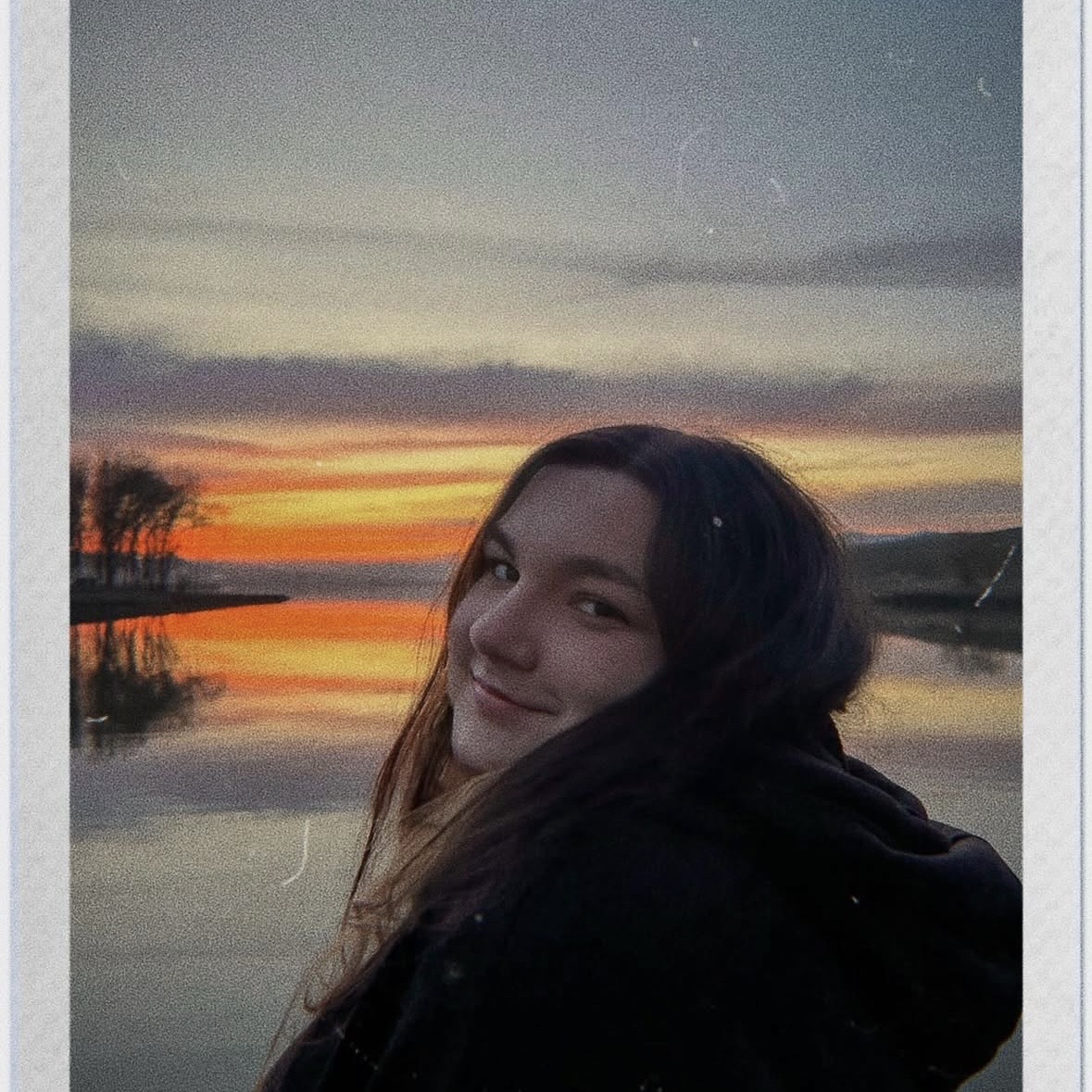 // MTR-01
I coordinated last year’s edition of UniHack and now I’m back as a mentor! With a background in UI/UX design and an active role in Timișoara’s cultural scene, I hope to bring a fresh perspective, help you develop your ideas and explore the intersection of technology, design and culture. See you at UniHack 8! 💜
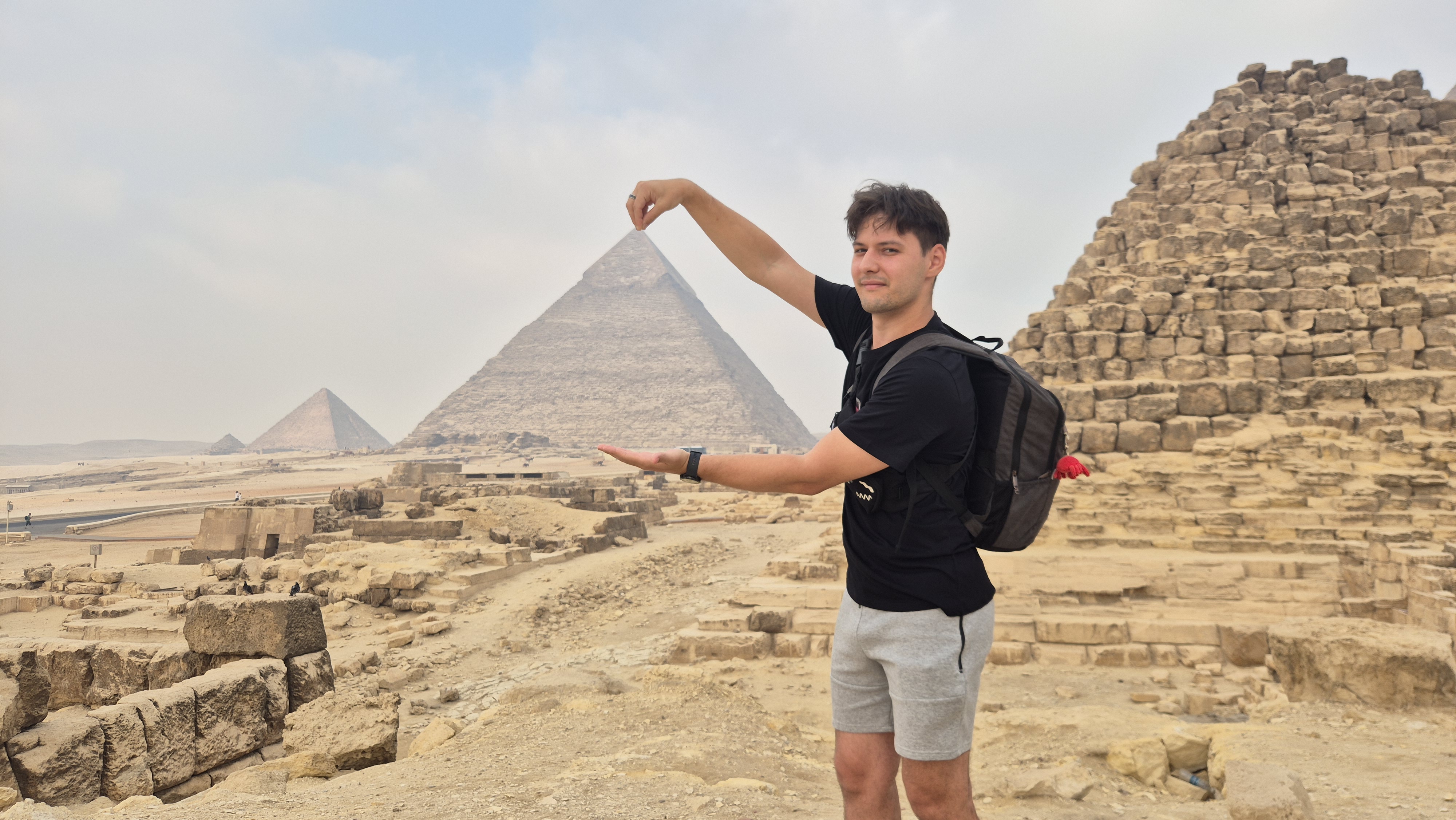 // MTR-02
Hello, I'm Andrei Dobre. I'm a software engineer whose main interests are web development, cloud infrastructure and IoT.
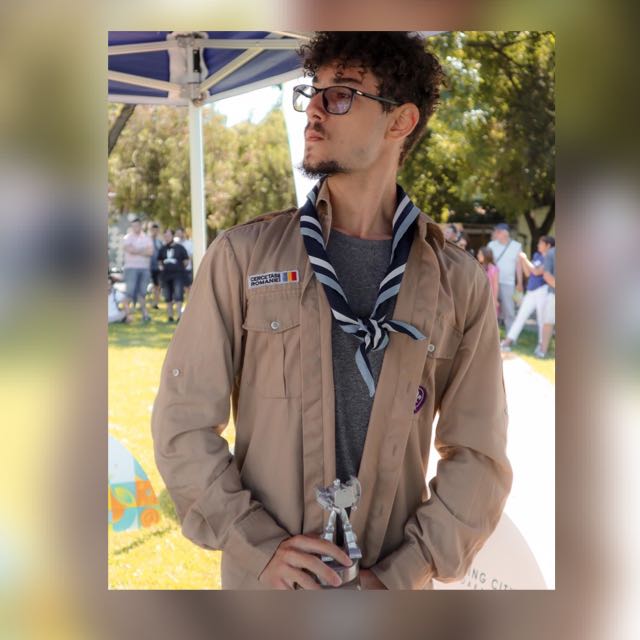 // MTR-03
Just another cybersecurity enthusiast.
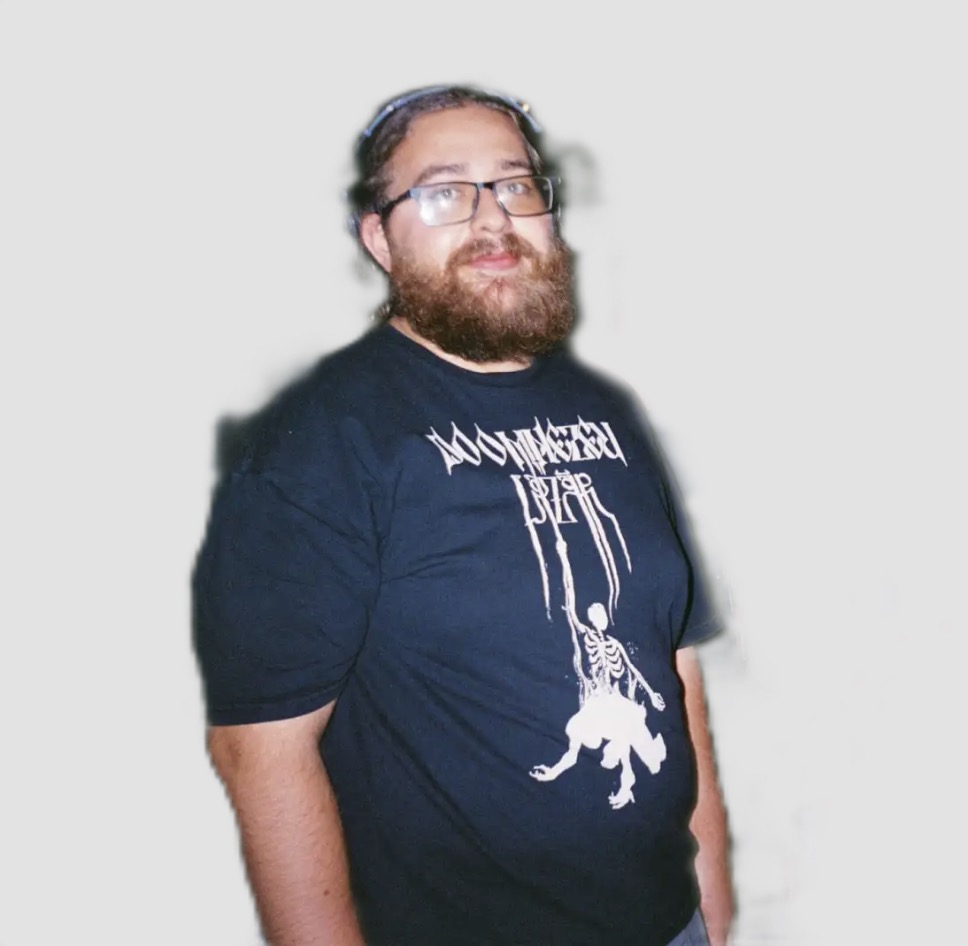 // MTR-04
RoboTEC Coordinator, Embedded enjoyer
 // MTR-05
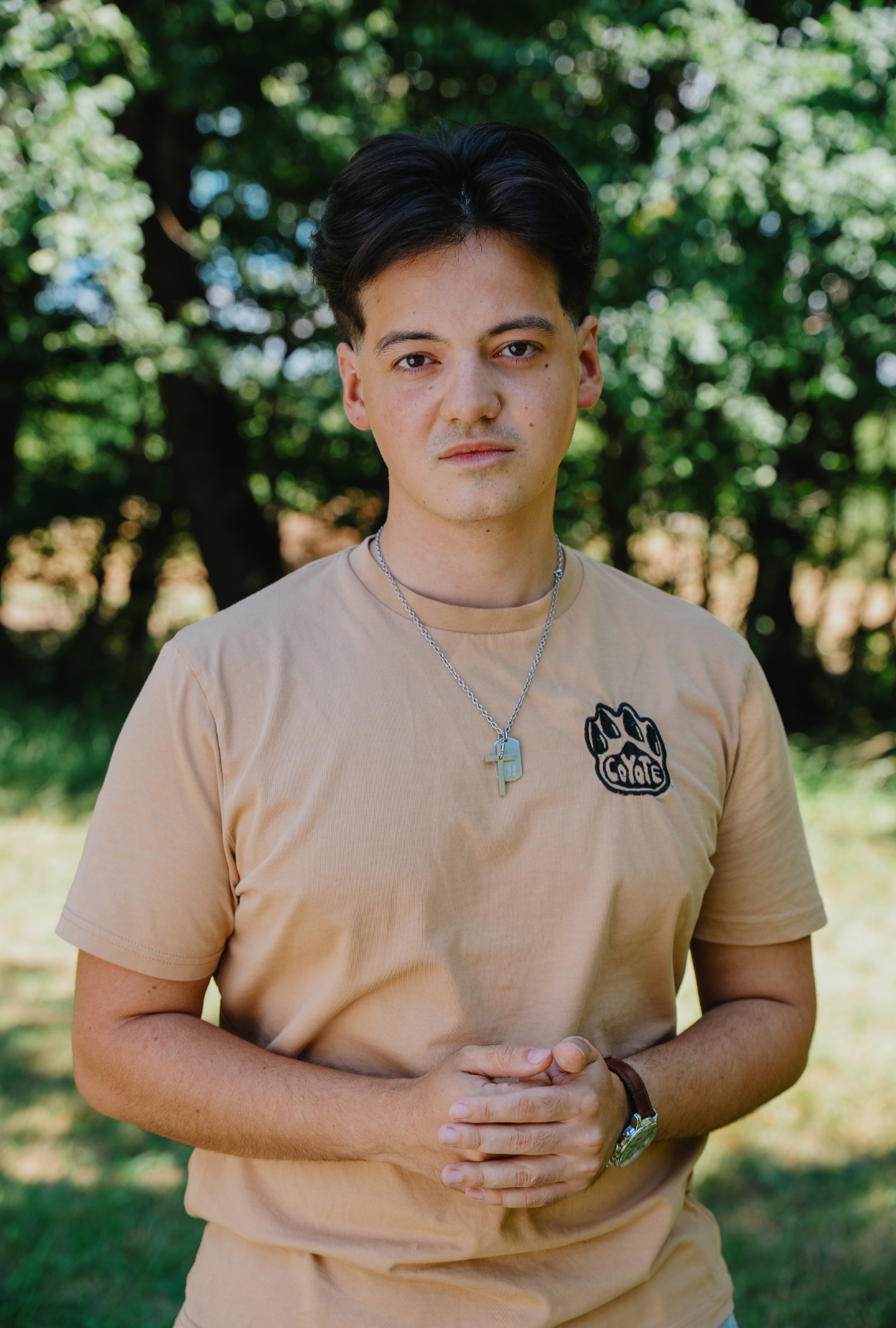
I am an NGO leader specializing in European university governance, youth mobility, and grant management. I currently serve as the Chairperson of the E³UDRES² Board of Student Representatives and one of the two Alliance Delegates to the European Students' Union, coordinating strategy and policy across a major European alliance. At the grassroots level, I am the Founder and President of Asociația UBDB, where I actively write and manage fully-funded Erasmus+ KA1 mobility projects. My expertise in organizational strategy and community development is further grounded by my role as a Councillor on the Board of Directors for FITT and my extensive background in executive roles as former Vice President of Liga AC and international relations.
 // MTR-06
Inginer AI si masterand in Inteligenta Artificiala la Academia Tehnica Militara "Ferdinand I".
 // MTR-07
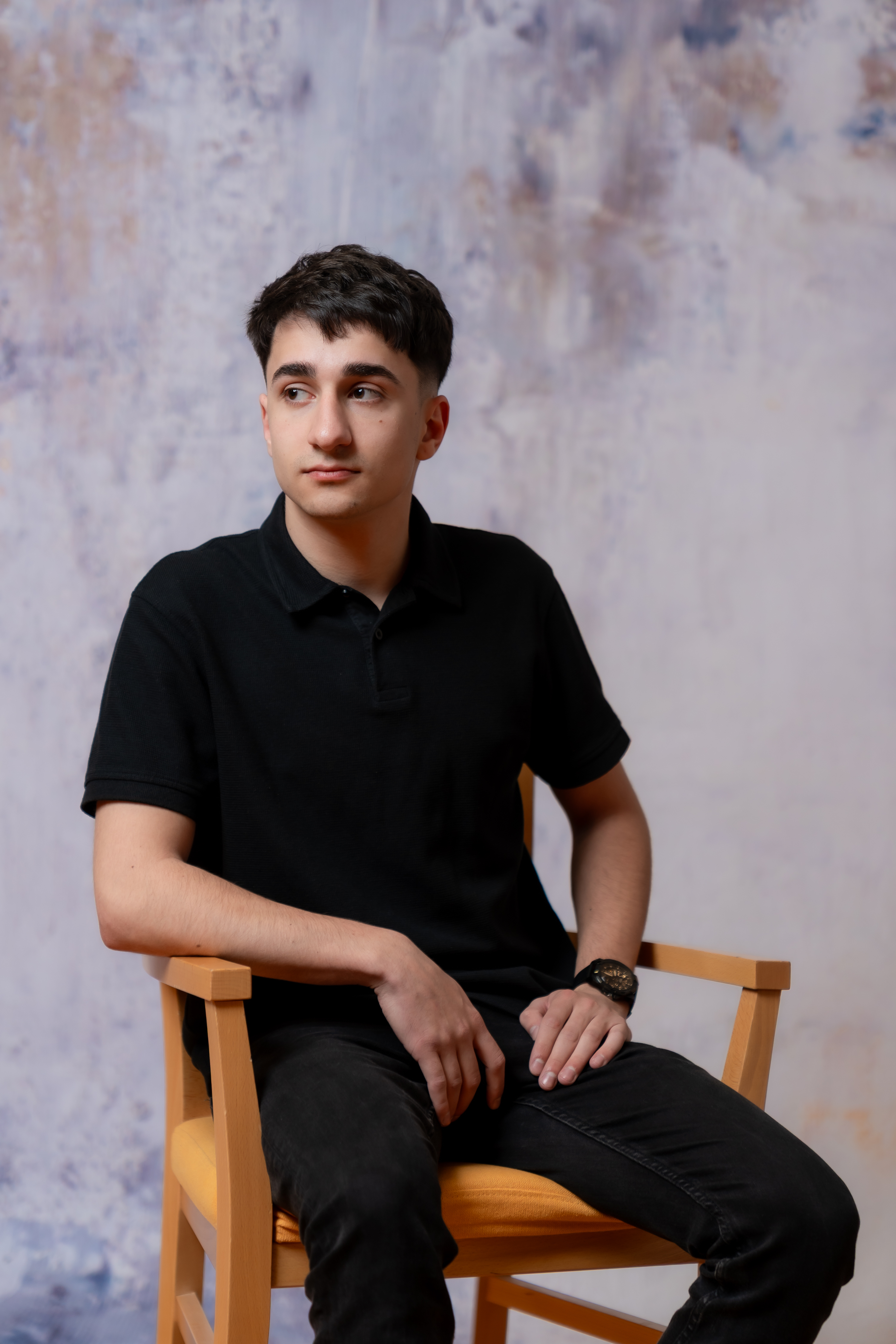
I am a military student at the Military Technical Academy (Academia Tehnică Militară) in Bucharest, Romania, specializing in Computer Engineering. My main interests are cybersecurity, ethical hacking, penetration testing, and Capture The Flag (CTF) competitions. I am actively developing my skills in areas such as network security, vulnerability research, reverse engineering, digital forensics, and exploit development
 // MTR-08
I'm passionate about technology and curious about how things work under the hood. I work as a security researcher, and in my spare time I enjoy both solving and designing CTF challenges.
 // MTR-09
I keep up with the latest trends in cybersecurity and management. I enjoy sharing what I learn with people who are into the same things and finding fun ways to get everyone involved.
 // MTR-010
Hi! I’m Iseline, a Junior Software Engineer at Nokia, developing software for networking devices. My background includes web development, automation and cloud technologies. I’m happy to help you explore ideas and work through technical challenges at UniHack!
 // MTR-011
AI Developer and Computer Engineering student specializing in computer vision, deep learning pipelines, and developer workflow automation. With hands-on experience building end-to-end ML solutions using Python, PyTorch, and OpenCV, I help hackathon teams bridge the gap between ambitious model architecture and practical deployment—guiding participants through real-time perception tasks, intelligent feature integration, and efficient data scoping under tight 24- to 48-hour sprint constraints.
 // MTR-012
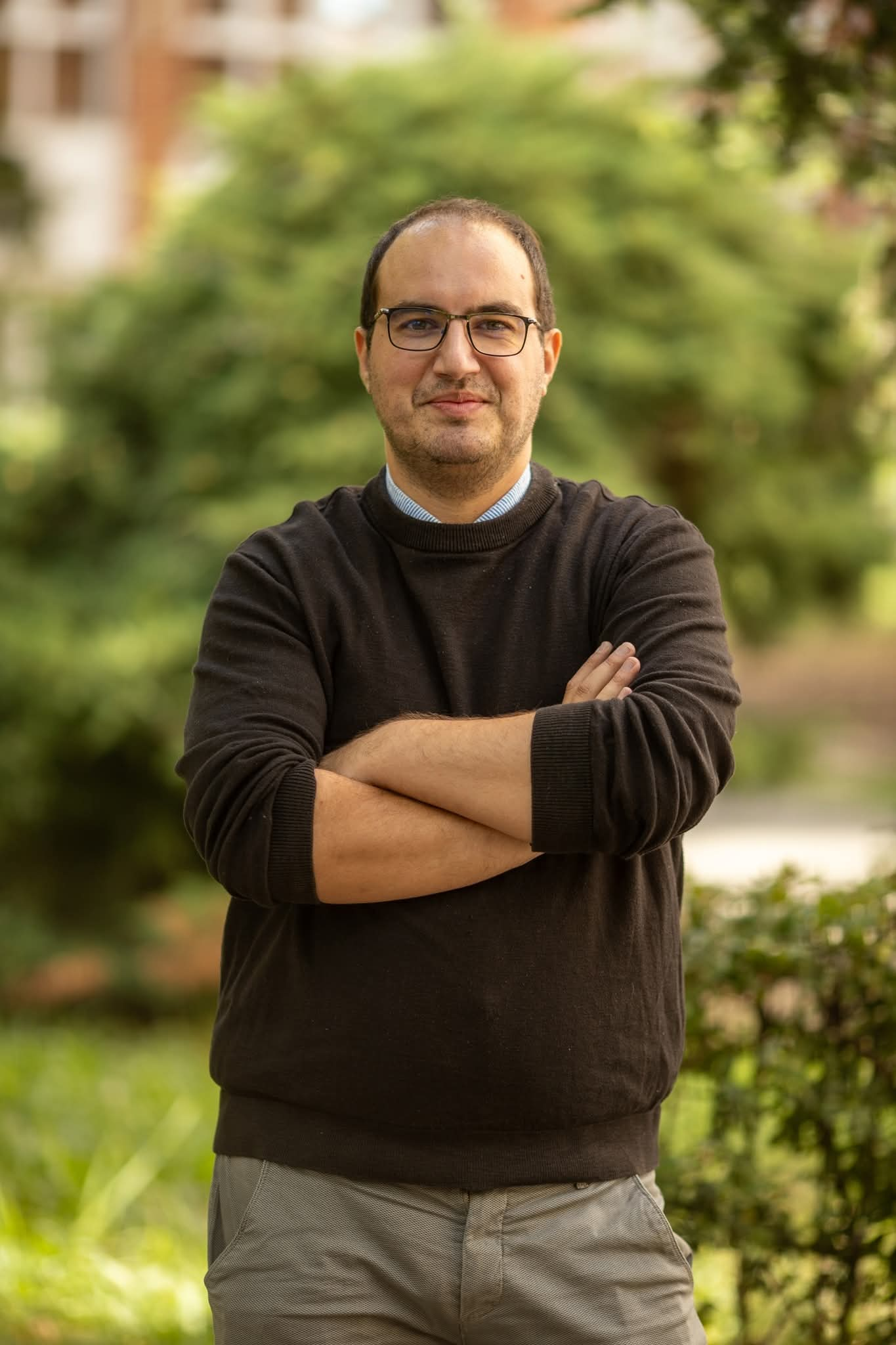
Ionel Mărginean is a cultural producer and executive director of Diogene Cultural Association in Timișoara. He produced Orașul Paralel (Parallel City), an immersive theatre trilogy that invited audiences to explore three of the city’s neighbourhoods on foot. As a member of the DE NICIUNDE collective, he collaborates on installations and performances. He also teaches structural engineering at Politehnica University of Timisoara
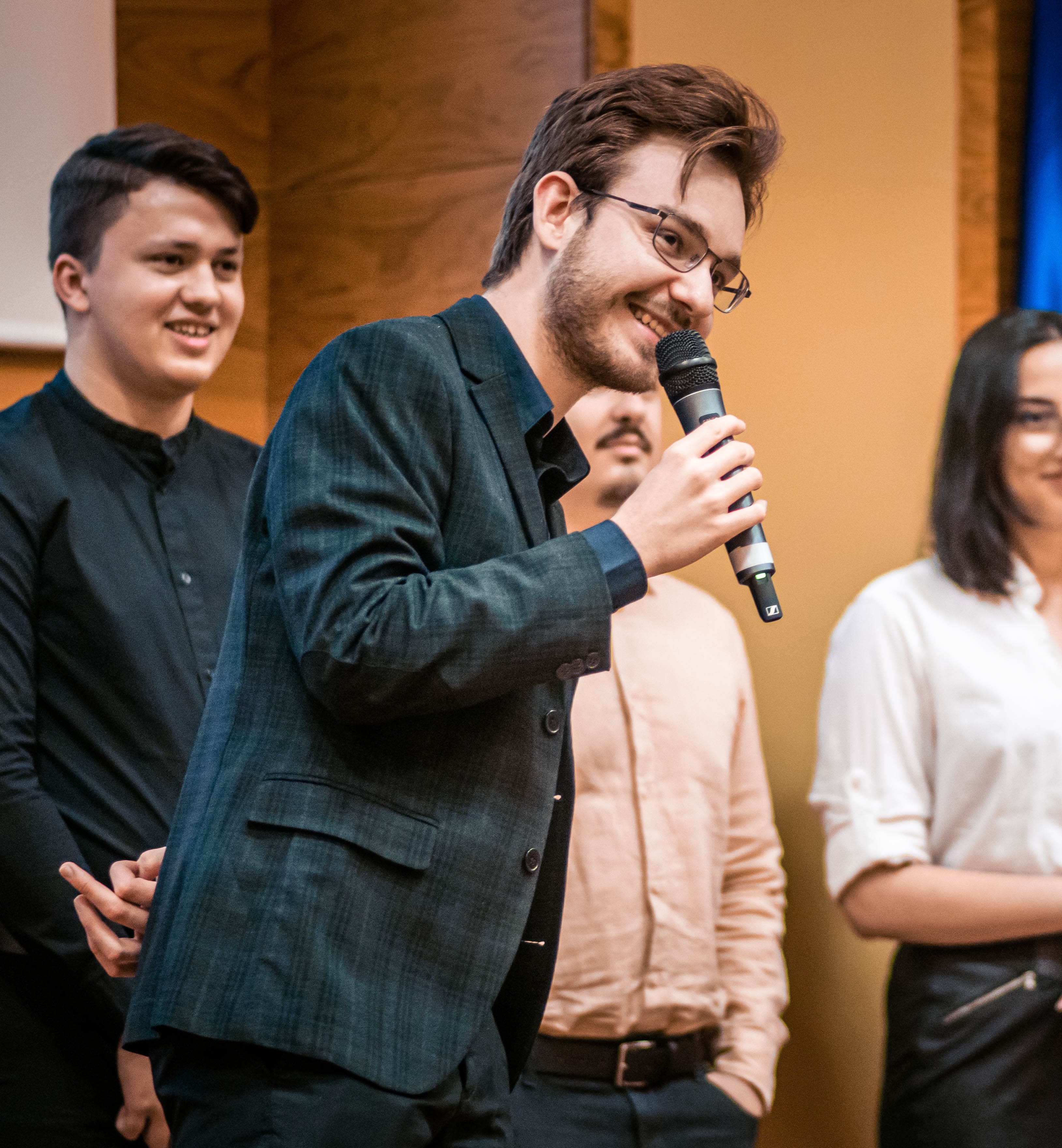 // MTR-013
I am a graduate of UPT - AC, and currently a master's student in Cloud Computing and IoT, which is also the domain in which I have the most expertise and interest (with ML added on top of all that). I also have deep interest in Systems Thinking and Complex Systems, areas in which I am currently pursuing research (+ great interest in how we can help the environment, using technology). At Nokia, I am a software engineer, working at the newest telecommunications innovations! I also have extensive NGO and civic involvement experience, having been Vice President of Liga AC and Vice-coordinator of ISWinT (International Student Week in Timișoara).
Real civic problems and cultural challenges gathered directly from Timișoara’s citizens and visitors. Explore ideas for Community Hero and Immersive Arts side by side, or roll for random inspiration!
Civicore · Everyday challenges gathered from Timișoara’s residents: public transport, parking, streets, housing, summer heat, and utilities.
Buses and trams don't come often enough and don't keep to their schedules, so people can't plan around them. They drive instead, which makes rush-hour traffic worse. Some also find public transport too expensive.
How might we make Timișoara's public transport reliable enough that people choose it over the car?
Drivers wait a long time at red lights, roads jam at peak hours, and parking is hard to find in central areas, with no way to check ahead of time.
How might we cut the time people lose at intersections and circling for parking?
Bike lanes are narrow or missing, and roads are cracked. Sidewalks are fine on foot but a nightmare on a bike or rollerblades.
How might we help people get around safely on wheels while giving the city data on where the infrastructure fails?
Summer heat is a daily frustration in Timișoara. Air conditioning is missing or broken where people need it, and air conditioners are expensive to buy.
How might we help people in Timișoara stay cool during heatwaves without relying on air conditioning?
Streets are not cleaned often enough, street cleaners are rarely seen, and some areas look neglected, as if no one is responsible for them.
How might we keep Timișoara's streets and public spaces clean and well maintained?
Visitors can't find practical information about the city when they need it. The review of the 2023 European Capital of Culture year made the same point, criticising the city's communication with international visitors as slow and poorly targeted.
How might we give a first-time visitor everything they need in their first hour in Timișoara?
People don't feel safe in parts of the city, especially at night. In August 2025, residents near Gara de Nord protested over threats, night-time noise and abandoned buildings taken over by squatters. They said their repeated complaints had produced no concrete response.
How might we help people feel safe moving around Timișoara at night, and make sure their safety concerns reach someone who acts on them?
Many apartments get heating and hot water from Colterm, the city's district heating company. In October 2021 its gas supply was cut, leaving about 50,000 households, plus hospitals and schools, without heat or hot water. A few months later the company was considering cutting hot water at night. Notices about planned cuts and breakdowns of water, heat and power are spread across the utilities' websites, social media and notes taped to building doors. Residents rarely know whether their own building is affected or when service will return.
How might we tell every household, building by building, when water, heat or power will go off and when it will come back?
Roadworks running from August to the end of 2026 have suspended tram line 5 and detoured lines 1 and 2. Lines 6a and 6b were already suspended, and a temporary bus line, 5C, has been added. Changes like these come out as press releases, so it's easy to end up waiting at a stop no tram serves any more.
How might we make sure no one waits at a stop that no tram will serve during months of works?
Shade cools the city better than anything else. During a June 2021 heatwave, measurements reported by Digi24 found playground surfaces in Timișoara near 60°C and asphalt above 50°C, while grass in the shade stayed around 27°C. Young street trees need regular watering through hot, dry summers, and the city can't reach every one in time.
How might we get residents to help the city's young trees survive the summer?
Timișoara keeps having episodes of bad smells. In early 2022, residents described a burnt-rubber smell almost every morning, and the reporting at the time named no source. Air-quality sensors measure particles, but when thousands of people notice a smell, none of it is recorded anywhere.
How might we turn people's noses into evidence that helps find where a bad smell is coming from?
In 2013, inspectors flagged 600 historic buildings as dangerous to residents and passers-by, with plaster falling onto sidewalks. Since 2017 the city can tax neglected buildings at up to five times the normal rate. However, a commission has to assess each building one by one.
How might we spot facades at risk of shedding plaster before a piece falls on someone?
About 40,000 students attend Timișoara's six universities, many of them international. The city is also home to around 5,000 workers from Asia and Africa and close to 2,000 refugees. The LOGS association, which supports them, names bureaucracy and too few Romanian language courses as the biggest obstacles. Residence permits, address registration, health insurance and tax numbers all mean Romanian forms in different offices.
How might we help a newcomer get through their first month of Romanian paperwork without needing a Romanian-speaking friend?
STPT now runs 40 low-floor trams, but older high-floor trams bought second-hand from Bremen are still in service, and the historic centre is full of curbs and cobbles. The review of the 2023 European Capital of Culture year said accessibility for people with disabilities still needed work. Wheelchair users, parents with strollers and older people can't know in advance whether a whole trip will work for them.
How might we let someone in a wheelchair or with a stroller plan a door-to-door trip they can actually complete?
The Bega canal crosses the whole city. STPT's waterbuses returned on 1 April 2026 at 5 lei a trip, and regular passes are valid on them. Still, the canal is mostly seen as scenery rather than as a way to get somewhere.
How might we make the Bega an everyday route through the city, not just a view?
Romania's deposit-return system (RetuRO) started in late 2023 and had collected over 1.3 billion containers by August 2024. People still run into return machines that don't work and shops that refuse returns, and the environment ministry has opened a WhatsApp line for complaints.
How might we make returning bottles in Timișoara a quick errand instead of a gamble?
Every autumn, tens of thousands of students compete for dorm places and rooms. First-year and international students have little to go on: there's no shared record of landlords, flats, deposits that were never returned, or what a fair price is.
How might we make renting in Timișoara fair and transparent for students?
Timișoara runs participatory budgeting, and residents care how their streets look. The residents who protested near Gara de Nord in 2025 named the renovated Piața Traian area as the model they want. But redesigns are usually shown as technical drawings that most people can't picture.
How might we let residents see and shape a street redesign before construction starts?
Bars and terraces sustain the cultural and economic life of Timișoara’s historic centre at night, but this activity disrupts the rest of the residents who live there. In 2022, in response to residents’ complaints, the municipality proposed a midnight closing time for central terraces and a ban on music. Business owners described the measures as abusive and warned that some venues would face bankruptcy. Measures of this kind protect one group at the expense of the other.
How might we preserve the vibrancy of Timișoara’s historic centre at night while ensuring that its residents can rest undisturbed?
MuseumsQuartier & Civicore · Citizen responses on cultural life: live music, indie concerts, public pianos, multilingual theater, secret courtyards, and interactive heritage. Eligible for both Community Hero and Immersive Arts tracks!
A lot happens, but it isn't promoted well, and young people don't hear about it. Promotion doesn't reach the platforms young people actually use, such as Instagram and TikTok.
How might we make sure no young person in Timișoara misses an event they'd love?
People want more concerts and more international acts. They want festivals with stronger line-ups that appeal to both younger and older audiences, plus room for niche genres such as underground rap and urban music.
How might we bring more varied live music to Timișoara and connect niche audiences with the artists they want?
The scene leans on formal museums and big annual festivals, and there's little in between. People asked for micro-festivals, open-air cinema, pop-up events, creative workshops, mixed-discipline nights, small showcases for local artists, and social gatherings for specific age groups.
How might we make it easy for anyone to organise and find small informal cultural events?
Young people attend fewer cultural events than they would like because of several barriers. Ticket prices are high, and student discounts and free events are scarce. Many venues feel formal and unwelcoming to a younger audience, and some are difficult to reach by public transport.
How might we reduce the financial and practical barriers that prevent young people from taking part in Timișoara’s cultural life?
People want more guided tours, exhibitions and cultural spaces. Visitors leave having seen only a small part of the city, and living traditions, such as a traditional wedding, are hard to experience.
How might we help visitors and locals experience more of Timișoara's history, art and traditions?
Timișoara is often called the capital of Romanian rock. Phoenix formed here in 1962 as Sfinții ("The Saints") and was forced by the communist authorities to change its name. Its albums were heavily censored, and in 1977 most of the band fled the country hidden inside their Marshall speakers. Progresiv TM, Pro Musica and Cargo came after them. Young people are asking for more underground music, yet this story is rarely told to them.
How might we bring Timișoara's rebellious rock history to young people in a way that feeds today's underground scene?
Timișoara’s squares are full of statues, columns and memorials, from the Holy Trinity Column in Piața Unirii to the Capitoline Wolf in Piața Victoriei. Most passers-by know little about who or what these monuments represent. Many were built by, or commemorate, the city’s historic communities: Romanian, German, Hungarian, Serbian and Jewish. Their stories therefore belong to several cultures and languages, which current signage rarely reflects.
How might we let the city’s monuments tell their own stories, in the languages of the communities that shaped Timișoara, in a way that makes people stop and engage?
Timișoara has state theatres in three languages: the National Theatre performs in Romanian, and the German State Theatre and the Hungarian "Csiky Gergely" State Theatre share a building. Some productions carry Romanian and English subtitles on a screen above the stage. Ukrainian, Nepali and other newcomers who speak neither language, along with many international students, are still left out.
How might we let anyone in the audience follow a performance in their own language, without disturbing the people around them?
Much of Timișoara’s historic architecture can’t be seen from the street. Courtyards, stairwells and the decorative details of early-1900s Art Nouveau (Secession) buildings sit behind closed gates in buildings that are still lived in. Visitors rarely get to see these spaces, and residents have few chances to share the heritage they live in.
How might we open private historic buildings to the public for a day, with residents as hosts, in a way that's easy and safe for both?
The review of the 2023 Capital of Culture year listed what the city still lacks, including a dedicated concert hall and a jazz club. MultipleXity, the conversion of the former tram workshops into a centre for art, technology and experimentation, secured EU funding in 2026, but the works are scheduled to continue until 2029. Young organisers struggle to find affordable spaces while industrial and historic buildings stand empty.
How might we match empty buildings with people who want to use them for culture, temporarily and legally?
Most big events happen in and around the old centre. The 2023 programme opened community centres in some neighbourhoods, but people in outer districts still travel far for culture. So do people in the surrounding towns that STPT's 26 metropolitan lines connect to the city.
How might we find the city's cultural blind spots and bring culture to them?
Timișoara produces live data all the time, from trams reporting their GPS positions to air-quality stations and weather, but it only ever appears in apps and dashboards. UniHack 8 itself is hosted in the city's tram museum, among the kind of vehicles that produce some of that data.
How might we turn Timișoara's live data into an artwork or soundscape people want to experience?
Since 2019, the Banat Bulgarian community in Germany has donated more than 75 pianos to Timișoara. They have been placed in public spaces across the city, including the airport, the railway station, universities, parks and shopping centres. Many have since been damaged, gone missing or fallen out of tune, and some were never put on public display. Their upkeep depends on separate loan agreements with each host institution rather than on a coordinated system for maintenance, repair and replacement.
How might we make Timișoara’s public pianos a self-sustaining network, where instruments are maintained and repaired, lost ones are replaced, new donations go where they are most needed, and anyone can find a piano and play it?
Plenty of people skip a concert or a play simply because they have no one to go with: first-year and international students, newcomers, people whose friends like different things.
How might we make it easy and safe to go to an event when you don't have anyone to go with?
During the 2023 European Capital of Culture year, the city's volunteer base grew from about 200 to 3,200 people, and young audiences filled the theatres and the opera. That energy fades without something to keep it going.
How might we keep the thousands of 2023 volunteers, and new young people, involved in making culture happen, not just attending it?
The Romanian Revolution started in Timișoara, and on 20 December 1989 it became the first city in Romania declared free of communism. For anyone born after 2000 this is textbook history, and the witnesses are getting older. A National Museum of the Revolution was created by law in 2022, but as of mid-2026 its design was still incomplete and construction had not begun.
How might we capture first-hand memories of December 1989 while the witnesses are still here, and pass them on in a way young people connect with?
Timișoara has 21 ethnic groups and 18 religious denominations, among them Romanian, Hungarian, German, Serbian, Bulgarian, Roma and Jewish communities, plus newer communities from Ukraine, Asia and Africa. Each has its own feasts, food and music, which could draw in the city's young people and visitors.
How might we let the city's communities, old and new, invite everyone else into their celebrations?
Official notice regarding the processing of personal data and data subjects' rights for participants, collaborators, and visitors of UniHack, in accordance with Regulation (EU) 2016/679 (GDPR).
Liga AC (Faculty of Automation & Computing, Timișoara)
GDPR Art. 6(1)(b) Contract & Art. 6(1)(c) Legal Duty
contact@ligaac.ro / contact@unihack.eu
Full access, rectification, portability & erasure rights
Liga Studenților din Facultatea de Automatică și Calculatoare (Liga AC) — The students’ organization from the Faculty of Automation and Computing at Politehnica University of Timișoara, residing in Timișoara, Timiș County, Romania, Blvd. Vasile Pârvan, no. 2, room A021, Tax Identification Number (TIN) 7267553, acts as the official "Controller".
In accordance with Regulation (EU) 2016/679 (General Data Protection Regulation – "GDPR"), the Controller implements appropriate technical and organizational measures to safeguard personal data and is subject to the oversight of The National Supervisory Authority for Personal Data Processing (ANSPDCP).
Personal data is processed strictly in accordance with Article 6 of the GDPR under the following specific grounds:
Data collected by Liga AC during UniHack is processed exclusively for:
First name, middle name, last name, email address, telephone number, home address, university/faculty affiliation, and profile handles (LinkedIn, GitHub, Discord, social accounts).
Dietary requirements/allergies, apparel & footwear sizing, year of study, student ID / national identity data (where mandatory for executing travel grant contracts or official fiscal billing).
Bank account details (IBAN) strictly collected from winning teams or supported participants for distributing prize payments or financial reimbursements.
Photographs and video footage captured during the 48-hour event, utilized exclusively for promotional, recap, and archival purposes across official UniHack & Liga AC communication channels.
Data may only be disclosed to authorized internal organizers, accredited accounting advisors, or legitimate institutional public bodies upon official request (such as ANPCDEFP, Timișoara City Hall, Timiș County Council, the Ministry of Education, and Politehnica University of Timișoara) for statutory funding settlement.
Special Category Data (GDPR Art. 9): Any sensitive data (such as dietary health restrictions) is collected solely upon explicit voluntary consent and processed exclusively to guarantee participant safety and well-being at the venue.
The storage duration of personal data is limited to the period necessary to fulfill contractual commitments, settle any potential post-event claims, and comply with mandatory legal requirements:
As a data subject, you hold the following irrevocable legal rights:
Obtain confirmation on whether your data is processed, together with copies and descriptions of the data.
Request prompt correction of any inaccurate, out-of-date, or incomplete personal records.
"Right to be Forgotten" — request deletion of data when no longer legally required or when consent is withdrawn.
Receive your data in a structured, commonly used, machine-readable format for transfer to another controller.
Request restriction of processing while accuracy is verified or during legal dispute resolution.
Object at any time to processing carried out under legitimate interest or direct promotional notices.
To exercise any of these rights, send a signed written request or email to contact@ligaac.ro / contact@unihack.eu. We will respond within 30 days of receipt (extendable up to three months in exceptional, complex cases with prior notice).
You also hold the legal right to file a complaint with ANSPDCP at B-dul General Gheorghe Magheru nr. 28-30, Sector 1, București, email: anspdcp@dataprotection.ro, or pursue legal action in Romanian courts.